Category

Packaging Solutions

How Smart Active Packaging Is Changing Freshness and Safety from Farm to Fork

smart active food packaging

Food packaging is no longer just a way to keep food safe; it’s also a way to make it easier for people to buy and eat. It is essential for keeping food safe, making it last longer, and making sure that it gets to customers in the best possible condition. Packaging improvements are making a big difference in keeping food fresh and safe as it goes from farm to fork. One of these innovative ideas, smart active packaging, has revolutionized the preservation of fresh food.

What is Active Food Packaging?
Active food packaging is a type of technology that does more than just put food in a container. Active packaging is different from regular packaging because it doesn’t just keep things from getting in; it also interacts with the food to keep it fresh and extend its shelf life. These materials are made to actively change or control the environment around the food by changing things like temperature, moisture, and oxygen levels.

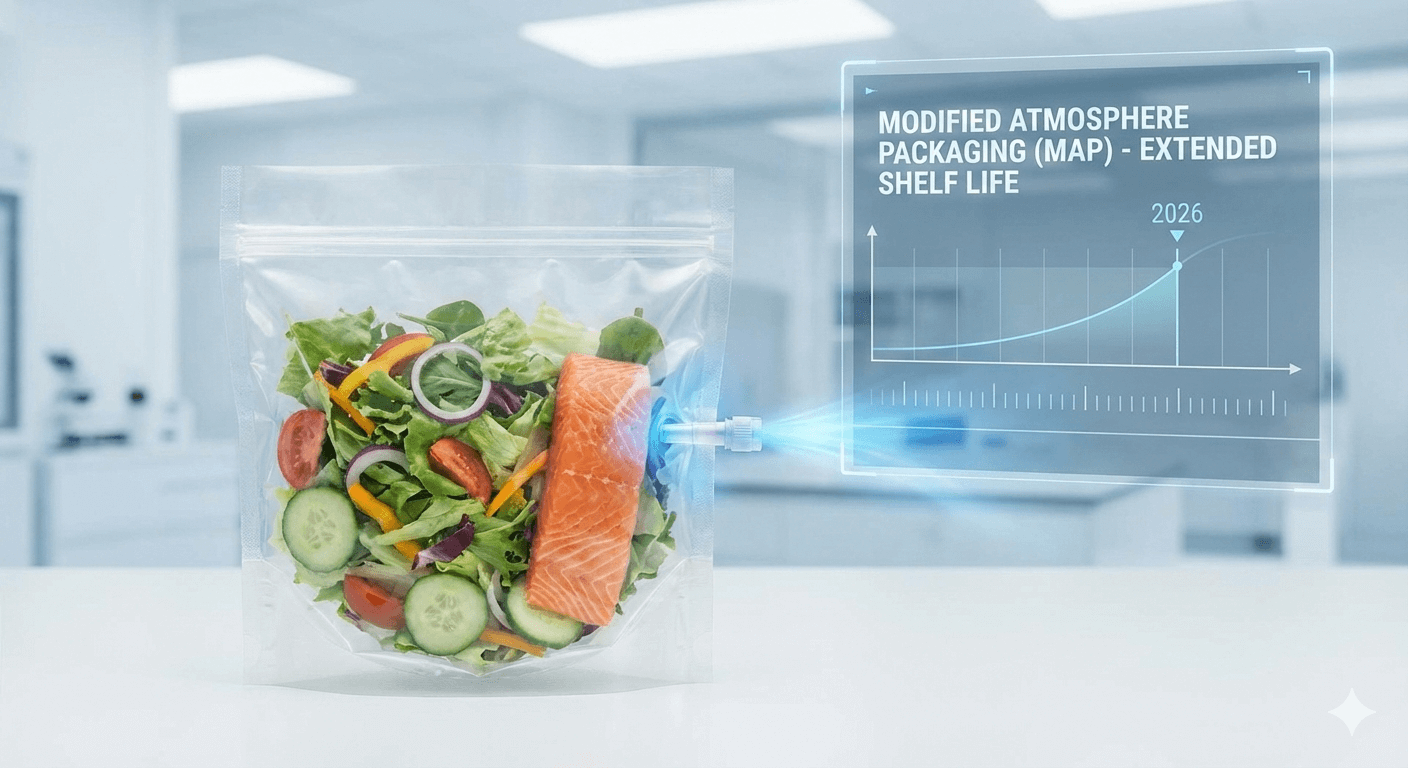
Some common types of active food packaging are modified atmosphere packaging (MAP), ethylene scavengers, and several freshness technologies. These new ideas help keep food fresh for longer and protect it from going rotting because of things like light and oxygen.
This section explains how food remains fresh when using active food packaging.

The main goal of active packaging is to keep food fresh by storing it in the best conditions. One of the most common methods used in active packaging is modified atmosphere packaging (MAP). MAP helps slow down the natural processes of decay and spoilage by changing the air inside the packaging, such as by controlling the amounts of oxygen, carbon dioxide, and nitrogen. For instance, lowering the amount of oxygen can stop microorganisms from growing, and raising the amount of nitrogen can stop fatty foods from oxidizing.

Using ethylene scavengers is another important technology in active packaging. Ethylene is a gas produced by fruits and vegetables that accelerates the ripening process. Ethylene scavengers soak up this gas, which slows down the ripening process and keeps fruits and vegetables fresh for longer. This technology is especially helpful for retailers and distributors because it keeps produce fresh while it’s being shipped and on store shelves, which cuts down on food waste and extends shelf life.

Active packaging’s effect on shelf life solutions is an important topic in food preservation.
One of the best things about active food packaging is that it can make food last longer. The packaging slows down the process of food going stale by controlling the air and other environmental factors inside. This keeps food fresh, tasty, and nutritious for longer.
The result means that customers can get fresher products for longer, which means they have to go to the store less often and waste less food. Food manufacturers and retailers benefit from the longer shelf life because it cuts down on spoilage during storage and transportation, making sure that products get to their destination in the best possible condition.


How Smart Active Packaging Works
Traditional active packaging changes the environment inside the package, but smart active packaging goes a step further by using sensors and data analytics. This packaging can keep an eye on the food’s condition in real time and provide you important information about gas levels, temperature, and humidity. Some smart packaging even changes color or sends alerts when food is about to go bad, which helps people make smart choices about what to eat.
For example, some packaging solutions have sensors built in that keep track of the food’s temperature or moisture levels. If these levels go outside of the ideal range, the packaging can react by releasing an antioxidant or soaking up extra moisture. This changing interaction keeps food as fresh as possible until it’s time to eat it.


The Future of Active Food Packaging and Sustainability
As more and more people want sustainable products, the future of food packaging is moving toward solutions that are beneficial for the environment. Researchers are trying to make active packaging materials that are biodegradable and recyclable and offer the same benefits as regular plastic but are better for the environment. This change is crucial for cutting down on packaging waste, which is a big problem for the environment.

The growing need for shelf life solutions may lead to the development of even more advanced technologies. There could be even better sensors, ethylene scavengers that last longer, and smarter ways to keep food safe without using too much plastic in the future. These new ideas will probably focus on cutting down on food waste even more, making food safer, and giving customers more faith in the things they buy.


In conclusion,
Smart active packaging is changing the way we store, preserve, and eat food. The packaging industry is making great progress in making food last longer while keeping it safe and of good quality. Some of the new technologies that are contributing to food preservation include modified atmosphere packaging (MAP), ethylene scavengers, and freshness technology. These technologies are beneficial for the environment because they cut down on waste and make things better for customers.

As people want packaging that is smarter, safer, and better for the environment, we can expect to see even more advanced solutions come out soon. The development of new food packaging technology promises a more sustainable and fresher future for the food industry, which is good news for food manufacturers, retailers, and consumers.

How Modern Contract Packers Are Leading the Shift Toward Reusable & Refillable Systems.

Modern-Contract-Food-Packers

The packaging industry is undergoing a transformation. At the heart of this change are food packaging companies that are embracing more sustainable practices. One of the most significant developments is the rise of reusable and refillable systems—solutions that offer both environmental and commercial benefits.

Modern contract packers are playing a key role in this shift. By integrating reusable food packaging and refillable pouch systems into their services, they are helping brands reduce waste, save on materials, and meet growing consumer demand for sustainability.

The Problem with Traditional Packaging

For decades, single-use plastics and non-recyclable materials dominated food packaging. While these materials were cheap and effective, they also contributed significantly to the global waste crisis. Today, consumers are more informed and concerned about the environmental footprint of the products they buy. Brands that fail to adapt are losing trust—and market share.

Food packaging companies have been forced to rethink their strategies. This is where sustainable contract packing steps in.

The Role of Contract Packers in Sustainable Packaging

Contract packers, or co-packers, are third-party service providers that handle the packaging process for brands. They’ve traditionally focused on speed, cost-efficiency, and quality control. But the new wave of eco-friendly packaging solutions is changing their priorities.

Leading food packaging companies are now investing in systems that support reusability and refillability. Instead of using single-use plastic, these packers are working with materials that can be reused multiple times or easily refilled. This minimises waste and helps brands align their sustainability goals.

Reusable Food Packaging: A Smarter Alternative

Reusable food packaging involves containers, pouches, or boxes that are designed for multiple uses. Contract packers are helping brands switch to these models by handling everything from design to logistics.

For example:

  • Glass jars and metal tins for sauces, spices, and snacks.
  • BPA-free plastic containers with resealable lids.
  • Refillable pouches with spouts for liquids and semi-liquids.

These systems are not only better for the environment but also enhance brand image. Consumers are more likely to remain loyal to companies that demonstrate genuine care for the planet.

Refillable Pouch Systems: Innovation Meets Convenience

Another growing trend is refillable pouch systems. These are particularly popular for sauces, condiments, and even pet food. Contract packers have adopted machinery and processes that make it easy to fill, seal, and ship these pouches at scale.

These systems:

  • Reduce the need for rigid packaging like glass or metal.
  • Offer lightweight options that lower shipping costs.
  • Encourage consumers to refill at home or in-store.

Many food packaging companies now offer subscription models or in-store refill stations that align with these systems, further reducing waste and packaging costs.

Why Brands Should Care

Sustainability is no longer a niche interest. A large portion of today’s consumers actively seek products with eco-friendly packaging solutions. Regulatory pressures are also increasing, with governments encouraging or mandating reduced plastic use.

By working with food packaging companies that understand sustainable contract packing, brands can future-proof their operations. They can meet regulations, reduce costs in the long run, and appeal to eco-conscious buyers.

Challenges to Overcome

Adopting reusable and refillable systems isn’t without challenges. Initial costs can be higher, and operational changes may be needed. But the long-term benefits outweigh these hurdles.

Modern contract packers help ease the transition by:

  • Offering scalable pilot programs.
  • Managing supply chain adjustments.
  • We provide performance data to guide future decisions.

The Future of Food Packaging

The shift toward reusable and refillable systems is not a passing trend—it’s the future of the industry. Food packaging companies that invest in sustainable contract packing today will lead the market tomorrow.

As consumer behaviour shifts and environmental concerns grow, demand for eco-friendly packaging solutions will only increase. Modern contract packers who prioritise sustainability are not just service providers; they are strategic partners in building a better, greener future.

Why Is It Important to Choose a Copacker with an ERP Implemented? Scalability and Traceability

Pack'n Fresh - Copacker with an ERP Implemented

Why It’s Important to Choose a Copacker with an ERP Implemented: Scalability and Traceability

Choosing a copacker with an ERP implemented is the most critical decision for any food brand looking to scale efficiently and maintain 24/7 audit readiness efficiently and maintain compliance. One of the most overlooked—but critical—factors in that decision is whether your food co-packer uses an Enterprise Resource Planning (ERP) system.

An ERP is more than just internal software; it is a powerful system that integrates data, operations, inventory, and compliance into one central hub. This gives food brands a competitive edge in a tariff-focused and volatile economy.

1. Scalability Starts with Systems

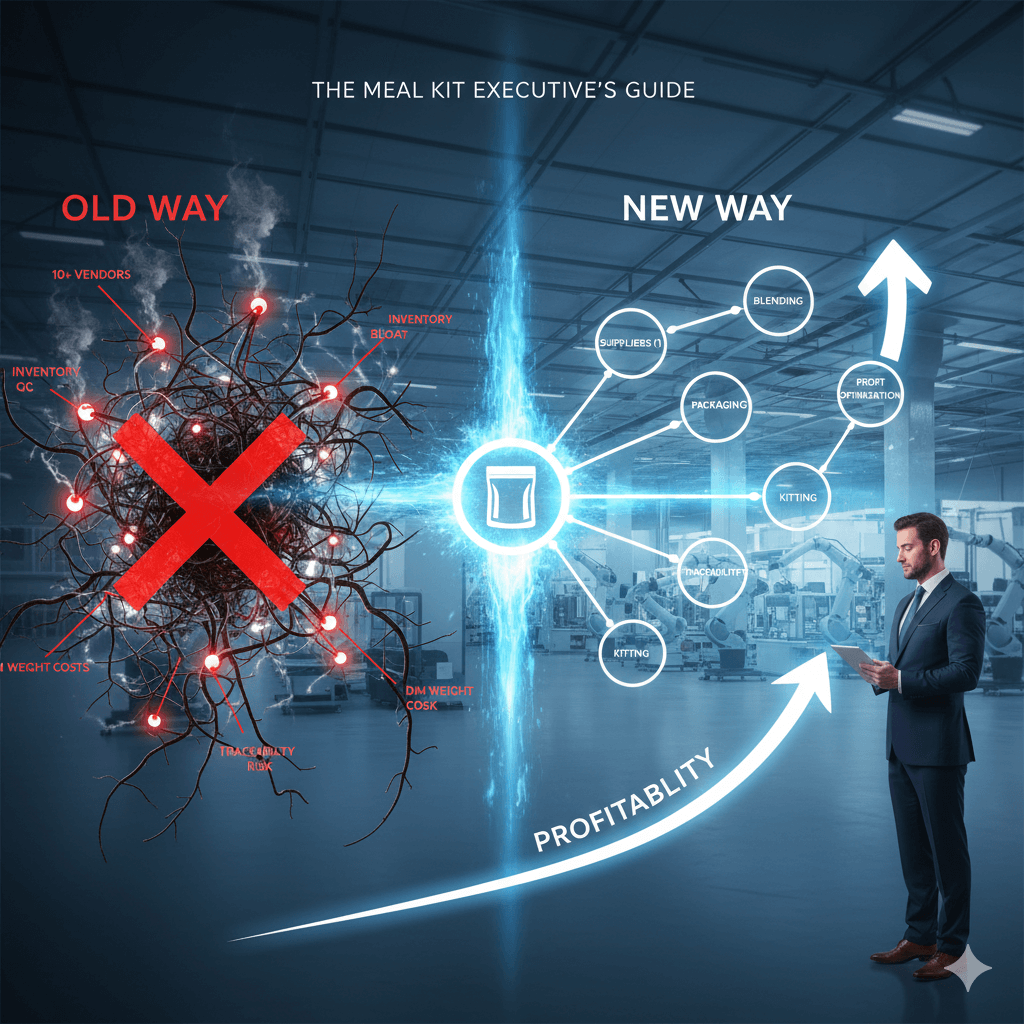
If you’re growing quickly, you need a partner that can keep up. When you hit the operational “Growth Wall,” manual spreadsheets become your biggest liability. A co-packer with an ERP in place offers:

  • Real-time Inventory Tracking: Precision management of high-value functional ingredients and packaging materials.
  • Production Planning: Matching your specific demand cycles to avoid stockouts during Q2 surges.
  • Efficient Procurement: Coordinating vendors so materials are always on-hand for turn-key manufacturing.

The value of a copacker with an ERP implemented becomes most apparent during rapid scaling phases. Unlike manual facilities that struggle with data entry lag, an ERP-driven partner provides instantaneous visibility into your supply chain. This digital infrastructure allows you to forecast material needs months in advance, ensuring that your ‘Growth Wall’ is replaced by a clear path to national distribution and retail expansion


Traceability Builds Brand Trust

Food brands operate in a high-stakes environment where safety and recall readiness are essential. Under new 2026 regulatory standards and FDA FSMA 204 requirements, “paper logs” are no longer sufficient for an audit. An ERP-driven co-packer ensures:

  • End-to-End Traceability: Mapping the digital thread from raw material lot numbers to finished product batches.
  • Regulatory Compliance: Digital records that satisfy food packaging safety and regulatory standards (USDA, FDA, and GFSI).
  • Recall Readiness: Performing “surgical” recalls rather than brand-destroying mass withdrawals. This is the primary way to mitigate traceability risks.

2. Data-Driven Decision-Making

The advantage of working with a copacker with an ERP implemented is the granular level of data you receive. When your co-packer uses an ERP, you gain access to transparent reporting that directly impacts your food business COGS calculation, including:

  • Yield Metrics: See the precision of your small format pouching in real-time to eliminate waste.
  • Burn Rates: Know exactly when to reorder to maintain efficient packaging solutions.
  • Order Status: Track your product from the initial blending stage to final kitting.

3. Fewer Errors, Greater Accuracy

Manual processes lead to common food packaging mistakes that cost money and reputation. ERPs reduce human error by automating order processing, lot tracking, and compliance documentation. This is particularly vital for custom pouch packaging for supplements, where dosing accuracy is non-negotiable. ERPs reduce human error by automating order processing, which is why a copacker with an ERP implemented is the safest choice for high-stakes brands.

According to the FDA, FSMA Guidelines, digital systems are now the preferred method for maintaining high-risk food safety records.

Summary: Why Pack’n Fresh Invested in ERP

Ultimately, partnering with a copacker with an ERP implemented is an investment in your brand’s insurance policy. In the event of a regulatory inquiry, having the ability to pull a digital ‘surgical’ recall report in minutes rather than days can save millions in potential losses. This level of technical sophistication is what separates modern, data-driven brands from those still relying on legacy processes that cannot meet 2026 safety thresholds

At Pack’n Fresh, we don’t just pack—we optimize. We have implemented Power Central (Microsoft Dynamics 365), specifically configured for Food Manufacturing. By integrating this with our specialization in pouches under 2 lbs, we provide the technical sophistication usually reserved for much larger facilities.

Don’t let outdated systems limit your brand’s potential. Partner with a team that prioritizes data, safety, and 24/7 audit readiness.

Contact Pack’n Fresh today to see how our ERP-driven process safeguards your supply chain.

Why Choose a Copacker Who Is Easy to Reach, Accessible, and Responsive

Responsive-Co-Packers

When you’re outsourcing your food production and packaging, you need more than a vendor—you need a reliable partner. One of the most underrated qualities in a copacker is responsiveness. Being accessible, easy to reach, and quick to communicate can significantly impact your operational success.

Here’s why working with a responsive copacker like Pack’n Fresh is essential for your business:

  1. Faster Problem Solving

In food production, issues can arise at any stage—ingredient sourcing, packaging materials, compliance documentation, or production timelines. When your copacker is easy to reach, you can:

  • Address problems before they escalate
  • Adjust plans in real time
  • Avoid costly delays or product recalls

A quick response can mean the difference between a minor hiccup and a missed shipment.

  1. Clear Communication Reduces Risk

Miscommunication can lead to packaging errors, incorrect labeling, or missed compliance steps. A copacker that prioritizes clarity and accessibility helps ensure:

  • Your specifications are followed to the letter
  • Labeling and allergen information is accurate
  • Every batch is aligned with your quality expectations

You shouldn’t have to chase down your partner for updates. At Pack’n Fresh, we proactively communicate so you’re always in the loop.

  1. Speed-to-Market Depends on Responsiveness

Getting your product to shelves quickly can make or break your launch. A responsive copacker can:

  • Turn around quotes and timelines faster
  • Quickly accommodate last-minute changes
  • Keep production moving even when variables shift

This agility gives you a competitive edge, especially in seasonal markets or new product rollouts.

  1. Stronger Long-Term Partnership

Choosing a copacker is more than a transactional relationship. Over time, a responsive partner helps you:

  • Optimize packaging strategies
  • Improve operational efficiency
  • Scale production without communication bottlenecks

Accessibility builds trust, and trust builds lasting partnerships.

What Sets Pack’n Fresh Apart

We know our clients rely on us not just for quality and efficiency—but also for responsiveness. That’s why we make ourselves available, transparent, and proactive throughout every stage of the co-packing process. You’re never left wondering what’s going on with your order.

The Bottom Line:
A responsive copacker keeps your business moving, protects your reputation, and simplifies your day-to-day. Choose a partner who’s as invested in your success as you are—choose Pack’n Fresh.

The 10 Most Innovative Sustainable Packaging Ideas for 2025

Sustainable Packaging Ideas

Sustainable packaging has evolved from a buzzword into a strategic advantage. With growing pressure from regulators and consumers, food brands across categories—from frozen entrees to supplements—are rethinking packaging to reduce environmental impact while maintaining functionality and shelf appeal.

At Pack’n Fresh, we combine material innovation with full-service contract packaging. Our turnkey solutions reduce waste and reduce your overhead by consolidating vendors, streamlining purchasing, and eliminating the burden of audits.

Game-Changing Sustainable Packaging Trends:

  1. Compostable Films
    Made from PLA or PHA, these are ideal for dry mixes, powders, or spice blends—offering full biodegradability in industrial composting systems.
  2. Mushroom Packaging
    Mycelium-based cushioning made from ag waste—excellent for protecting fragile items like glass jars or refrigerated goods.
  3. Water-Soluble Packaging
    Dissolvable films for pre-measured broths, drink mixes, or supplements—perfect for zero-waste goals.
  4. Post-Consumer Recycled Materials (PCR)
    Used in pouches and tubs for sauces, frozen foods, or snacks. Cuts virgin plastic use and meets FDA standards.
  5. Algae-Based Films
    Algae grows rapidly with minimal resources, offering a low-impact packaging option for food wraps or sachets.
  6. Edible Packaging
    Not just for snacks anymore—edible wraps are emerging for soups, smoothies, and more.
  7. Smart Biodegradable Labels
    Embedded with freshness sensors, these reduce waste while improving traceability and compliance.
  8. Minimalist Refill Systems
    Use reusable base containers with biodegradable refill packs—a smart option for seasoning kits, drink powders, and pantry staples.
  9. Paper-Based Barrier Coatings
    A plastic-free alternative for cereals, baking mixes, and dry goods that need moisture and oxygen resistance.
  10. Hybrid Bio-Plastics
    Combine plant-based and recyclable polymers to balance durability and sustainability—great for semi-liquids and vacuum seals.

Why It Matters

Sustainable packaging:

  • Aligns with compliance standards
  • Reduces long-term disposal costs
  • Enhances brand value with eco-conscious buyers

But more than that—it simplifies your business.

Pack’n Fresh reduces your vendor list, ensures audit readiness, and handles everything from sourcing to fulfillment. Whether you need compostable snack packs or refillable systems for pantry items, we help you stay ahead—without managing it all yourself.

A Look at the Rise of Innovative Smart Packaging in the Food Industry That You Need to Know

food co packaging

What Is Food Co-Packing (and Why It’s a Smart Business Move)

If you’re producing food but spending more time juggling logistics than growing your brand, food co-packing may be your next smart move.

At Pack’n Fresh, we act as your outsourced operations team—handling production, packaging, labeling, and even logistics. Our turnkey model saves you time, money, and compliance headaches.

What Is Food Co-Packing?

Food co-packing (or contract packaging) means outsourcing the manufacturing, blending, and packaging of your food product to a certified, experienced partner. We turn your idea or recipe into a market-ready item—fast and efficiently.

Who Uses Co-Packers?

  • Startups scaling up without a facility
  • Mid-sized brands launching new SKUs
  • Large companies outsourcing seasonal production
  • Specialty producers (organic, vegan, keto, gluten-free)

Why It Works for Food Brands

  1. Scale Without Infrastructure
    No need for your own factory or team—we’ve got it covered.
  2. Faster Time to Market
    Our systems are built for speed, so you can launch products quickly.
  3. Reduced Overhead
    Avoid managing suppliers, bookkeepers, and audits. We simplify your entire backend.
  4. Custom Packaging Expertise
    From pouch sizing to sustainable options, we tailor everything to your brand.
  5. Full Compliance
    We operate FDA- and USDA-compliant facilities. You get documentation, traceability, and peace of mind.

✅ What You Gain

  • Lower operational costs
  • Fewer vendors to manage
  • Faster launches
  • Scalable growth
  • Regulatory support and audit readiness

Pack’n Fresh helps you grow without growing your headaches.

What is Food Co-Packing and How Can It Benefit Your Business?

Pack'n Fresh - Food Co-Packing

The Secret Ingredient Behind Fast-Growing Food Brands

In today’s fast-paced food industry, speed, consistency, and innovation can make or break a brand. Whether you’re a startup with a signature snack or an established name looking to expand, one strategic move can change the game: food co-packing.

Partnering with food co-packing companies is no longer just a convenience—it’s a smart, scalable solution that empowers brands to focus on growth, not just production. In this blog, we’ll break down exactly what food co-packing is and why so many businesses use it to scale sustainably.

What is Food Co-Packing?

Food co-packing, or contract packaging, is when a company outsources the production, packaging, or both to a specialized third-party partner—often referred to as a food co-packer. These partners handle everything from ingredient sourcing and batch production to labeling and shipping.

Simply put: A food co-packer turns your recipe or product concept into a retail-ready item—efficiently, professionally, and at scale.

What Do Food Co-Packing Companies Do?

The services offered by food co-packing companies vary, but typically include:

The technical infrastructure of food co-packing is what allows small brands to compete with global giants. By leveraging shared resources, a brand can access high-speed automated lines and specialized pouching equipment without the multi-million dollar capital investment. This democratization of manufacturing is the primary reason why the ‘barrier to entry’ in the food industry has dropped significantly over the last decade, allowing for more diverse and niche products to reach the retail shelf.


Top 6 Benefits of Food Co-Packing

  1. Scalability Without Overhead: Grow production without building a facility or buying machinery. This is the primary way to climb over the operational “Growth Wall.”
  2. Faster Time to Market: Established systems allow you to launch seasonal trends before your competitors.
  3. Expertise You Can Trust: Co-packers bring knowledge of safety standards and how to avoid common packaging mistakes. According to the FDA FSMA guidelines, professional manufacturing facilities are essential for maintaining the high-level traceability and safety records required for modern food commerce.”
  4. Cost-Effective Operations: Reinvest saved capital into R&D and marketing rather than heavy equipment.
  5. Custom Packaging Solutions: Access to specialized snack and spice pouching that elevates shelf appeal.
  6. Focus on Your Brand: Spend your time building relationships and innovating rather than managing production schedules.

When Should You Consider a Food Co-Packer?

If you find that demand is outpacing your current capacity or you are spending more time producing than marketing, it is time to look for a partner. It is vital to choose a co-packer with an ERP implemented to ensure your growth is backed by digital traceability and data.

Common Concerns: FAQ

  • Will I lose control? No. You maintain ownership of your recipe and brand; the co-packer simply handles the execution.
  • Is it only for large batches? Not at all. Many partners, including Pack’n Fresh, offer small-batch production for growing brands.
  • What about safety? Reputable co-packers follow strict GFSI and SQF guidelines to ensure 24/7 audit readiness.

Summary: Partner Smart, Grow Smarter

Ultimately, the transition to food co-packing is a move toward professionalization. When a third-party expert manages your production, you are effectively buying a ‘safety net’ for your brand’s reputation. With 2026’s stricter safety thresholds, having a partner who lives and breathes compliance ensures that your growth is not just fast, but also secure and sustainable for the long term

Food co-packing isn’t just about outsourcing—it’s about optimizing. By partnering with expert food packagers like Pack’n Fresh, you gain the flexibility to scale, innovate, and thrive in a competitive market. Whether you are launching a high-protein snack line or a national meal kit, the right partner is your secret ingredient for success.

Contact Pack’n Fresh today to learn how our expert food co-packing services can support your vision.

Efficient Packaging Solutions & Design for Food Brands

Efficient Packaging Solutions & Design for Food Brands

How to Launch Your New Food Product with Efficient Packaging Solutions

Launching a new food product can be an exciting yet challenging journey, especially when it comes to packaging. As a food startup, one of the biggest hurdles you’ll face is choosing the right food packaging design that resonates with your target audience, preserves your product’s freshness, and ensures compliance with health and safety regulations. Effective packaging doesn’t just protect the product – it’s an integral part of your brand identity and consumer experience.

In this blog, we’ll guide you through the process of launching your new food product with efficient food packaging solutions that will set you up for success. Whether you’re working with custom food pouches or designing a bespoke food packaging strategy, understanding how to choose and execute the right packaging can make a significant difference in your product’s market performance.

The Importance of Packaging in a Food Product Launch

Why Packaging Matters

Your product packaging is more than just a wrapper or container. It’s a powerful marketing tool and a critical factor in the purchasing decision. Did you know that 72% of consumers say that packaging design influences their purchasing decision? Packaging plays a crucial role in food startups, helping them establish brand identity, appeal to customers, and enhance convenience.

For your food startup to succeed, efficient packaging must meet several requirements:

  • Brand Appeal: Packaging needs to catch the consumer’s eye, especially in a crowded market.
  • Functionality: It should preserve product freshness and be easy to use.
  • Compliance: The packaging must meet food safety regulations and include clear food label design that aligns with FDA or USDA requirements.

Key Considerations for Efficient Food Packaging Solutions

Before jumping into designing your packaging, it’s essential to understand the key factors that will influence your decision:

  • Target Market: Are you catering to health-conscious consumers, busy professionals, or families? Understanding your audience will help guide your packaging choices.
  • Product Type: Is your food product perishable, dry, or frozen? Each type of product requires specific packaging solutions.
  • Sustainability: Eco-friendly packaging is becoming increasingly popular. Consumers today are drawn to brands that prioritize sustainability.

Steps to Efficient Food Packaging Design

  1. Start with the Right Food Packaging Materials

The first step in creating a successful packaging solution is selecting the right materials. For instance, if you’re launching a snack product, custom food pouches might be the perfect choice. These offer convenience and easy handling for consumers while keeping the product fresh.

  • Custom Food Pouches: Ideal for snacks, meal kits, and single-serve portions, these pouches can be designed to preserve freshness, are lightweight, and are easy to store. Using materials like Mylar or foil laminates ensures that your product stays protected from moisture, air, and light.
  • Glass or Plastic Containers: For more premium or perishable items, glass or PET plastic containers might be more appropriate. These materials can help showcase the product while offering high visibility.
  • Bespoke Food Packaging: This involves tailored packaging solutions that meet the unique needs of your product, whether it’s a new frozen meal, an artisanal snack, or a liquid beverage.
  1. Design for Function and Branding

Once you’ve selected your packaging materials, the next step is designing your packaging for both function and brand appeal. Effective food packaging design balances both the practical and aesthetic elements.

  • Custom Food Packaging: Your packaging should reflect your brand’s story and values. Whether you are focusing on organic, gluten-free, or vegan products, your packaging design should convey this message clearly. Custom designs can include unique shapes, logos, and color schemes that resonate with your audience.
  • Clear Food Label Design: Make sure your label clearly lists ingredients, nutritional information, and any certifications (e.g., gluten-free, non-GMO). Transparency in labeling builds trust with consumers. Additionally, ensuring your food label design complies with industry regulations is crucial for meeting FDA or USDA standards.
  • Easy-to-Use Features: Functionality is key. Your packaging should not only protect the product but also provide an easy opening experience. Think of features like resealable pouches or easy-to-open lids. A well-designed product can leave a lasting impression on customers, making them more likely to return.
  1. Consider Scalability and Production Efficiency

As a food startup, your production needs will change as you grow. Partnering with a reliable packaging provider who can scale with you is essential. For example, working with a packaging company that offers custom restaurant packaging solutions can help meet the needs of both small and large batch production.

  • Flexible Batch Sizes: When launching a new product, you may not know your demand levels right away. A packaging partner who offers flexibility in batch sizes can help you start small and scale as needed without locking you into large minimum orders.
  • Efficient Production Processes: Whether you’re a small startup or a growing business, it’s crucial to streamline the packaging process to avoid delays. Efficient packaging solutions will help ensure that your product is ready for market quickly and at a competitive price.
  1. Sustainability Matters

Consumers are increasingly prioritizing sustainability in their purchasing decisions. Sustainable packaging not only helps reduce your environmental impact but also positions your brand as a socially responsible company. Consider using materials that are recyclable, biodegradable, or made from post-consumer waste.

  • Eco-Friendly Materials: For example, switching to biodegradable or compostable food packaging options can be a great selling point for environmentally-conscious consumers.
  • Minimalist Packaging: Sometimes less is more. A simple, clean design using fewer materials can reduce waste and appeal to sustainability-minded consumers.

Overcoming Common Food Packaging Challenges

Packaging Compliance and Safety

One common challenge when launching a food product is ensuring compliance with health and safety regulations. Depending on your product and target market, packaging must meet various standards, including the proper food label design with nutritional information, ingredients, allergen statements, and expiration dates.

Make sure to partner with a packaging provider who understands the regulatory requirements in your region. Pack’n Fresh, for example, can help guide you through the compliance process and ensure that your product packaging is both safe and market-ready.

Cost vs. Quality Balance

For startups, balancing cost and quality is crucial. While you may be tempted to go for cheaper packaging options, remember that your packaging reflects your brand. Subpar packaging can harm your brand reputation and lead to customer dissatisfaction.

By investing in high-quality, scalable, and customizable packaging solutions from the outset, you set the stage for long-term success and customer loyalty.

Conclusion: Set Your Food Product Up for Success with the Right Packaging

When launching a new food product, the right packaging is more than just a necessity – it’s a strategic asset that will influence your product’s success in the marketplace. By choosing efficient food packaging solutions, focusing on custom food packaging options that align with your brand, and ensuring scalability for future growth, you’ll be able to stand out from the competition.

At Pack’n Fresh, we specialize in providing bespoke food packaging solutions that meet the unique needs of food startups. From custom food pouches to custom restaurant packaging, we can help you launch your product with confidence, ensuring it stays fresh, appealing, and compliant with industry standards.

Ready to get started on your food product packaging? Contact Pack’n Fresh today for a consultation and let us help you bring your product to market with packaging that works as hard as your brand does.

Food Packaging Solutions for Freshness and Sustainability

Food Packaging Solutions for Freshness and Sustainability

The Power of Packaging – More Than Just a Wrapper

When you think of Food Packaging Solutions, what comes to mind? A simple barrier to protect the product? A marketing tool to grab attention? Or perhaps something that ensures the food is fresh and safe to consume? In reality, packaging is all of these and more.

Packaging plays a crucial role in shaping consumer perceptions, protecting food quality, and ensuring safety. In fact, the right packaging can elevate your brand, boost consumer trust, and even help you stand out on the shelf.

In this blog post, we’ll dive into the three key reasons why packaging matters: freshness, health, and shelf appeal. Whether you’re a startup or an established brand, understanding the importance of packaging is essential for your product’s success.

Freshness Preservation – The Key to Product Longevity

One of the most important roles of custom food packaging suppliers is to preserve the freshness of your product. No matter how great the recipe or quality of ingredients, without proper packaging, all that goodness can quickly diminish, leaving your customers disappointed.

How Packaging Preserves Freshness

Packaging protects food from external factors that can affect its freshness, such as air, moisture, and light. Here are a few ways modern innovative food packaging help preserve product quality:

  • Vacuum-sealing: By removing air from the packaging, vacuum-sealing prevents oxidation, which can cause food to spoil. This is particularly useful for snacks, meats, and perishable items.
  • Modified Atmosphere Packaging (MAP): In MAP, the air inside the package is replaced with a mixture of gases (such as nitrogen and carbon dioxide) to extend shelf life and maintain freshness. This technology is commonly used for fresh produce and deli items.
  • Airtight seals: Airtight seals prevent moisture from entering the package, maintaining the product’s texture and taste. Think of how snack packaging keeps chips crispy and fresh!

With innovations like these, brands can offer products that stay fresher for longer, ensuring customer satisfaction and reducing waste. A study by the Institute of Food Technologists found that improved packaging can extend the shelf life of some products by up to 50%.

Health & Safety – Ensuring Safe Consumption

Today’s consumers are more health-conscious than ever, and packaging plays an essential role in maintaining food safety and meeting consumer health expectations. Packaging isn’t just about aesthetics; it’s about ensuring the integrity and safety of your food.

Health-Conscious Packaging for the Modern Consumer

Food packaging must meet various standards to prevent contamination, preserve nutritional value, and provide consumers with clear information about ingredients. Here’s how packaging can promote both health and safety:

  • BPA-Free Packaging: Bisphenol A (BPA) is a chemical found in some plastics that has raised health concerns. Many consumers are actively seeking out products packaged in BPA-free containers to avoid potential health risks.
  • Clear Labeling: Transparent labeling on packaging is vital to ensure consumers are informed about allergens, nutritional content, and any additives or preservatives. For example, gluten-free or vegan-friendly labels are increasingly popular as consumers seek products that align with their dietary preferences.
  • Food Safety Standards: Packaging materials must meet regulatory standards to ensure that food remains uncontaminated during transport and storage. This includes compliance with FDA and USDA standards for food-grade packaging.

As consumers continue to demand transparency and healthier options, food packaging innovation will continue to evolve to meet these needs. Brands that prioritize health and safety in their packaging will not only build trust with their customers but also stay ahead of the curve in a competitive market.

Shelf Appeal – Attracting Consumers at First Glance

In a crowded market, first impressions matter. Packaging is the first point of contact between your product and potential customers, and it can significantly influence their purchasing decision. Shelf appeal is the ability of packaging to catch a consumer’s eye and make them want to pick up your product.

The Art of Packaging Design

Effective packaging design goes beyond just looking good—it communicates your brand’s message, value proposition, and quality. Here’s how great packaging can improve your product’s shelf appeal:

  • Visual Design: Colors, fonts, and logos play a significant role in consumer perception. Bright, bold designs might suggest a fun, energetic product, while minimalist designs often evoke sophistication or purity. The key is to align your packaging design with your brand identity.
  • Unique Shapes and Structures: Innovative packaging shapes can help your product stand out on the shelf. Think of unique snack packs, eco-friendly containers, or distinctive bottles that capture attention.
  • Sustainability as Appeal: Today’s consumers care about the environment. Sustainable packaging solutions—such as biodegradable bags, recyclable containers, or compostable wrappers—appeal to eco-conscious shoppers. Not only does this help the planet, but it can also enhance your brand’s image as responsible and forward-thinking.

According to a study by Nielsen, 67% of consumers are willing to pay more for products with sustainable packaging. This trend highlights the growing importance of eco-friendly packaging in boosting product appeal and consumer loyalty.

Section 4: The Role of Packaging in Consumer Trends

The food packaging industry is continuously evolving to meet changing consumer preferences. Let’s take a look at some of the consumer packaging trends that are shaping the future of food packaging:

  • Transparency and Clean Labels: Consumers are increasingly interested in knowing where their food comes from and what’s inside it. Packaging that offers clear, honest labeling will resonate with today’s mindful shoppers.
  • Personalized Packaging: Personalized packaging—such as custom designs or limited edition runs—can create a stronger emotional connection with consumers.
  • Sustainability: As mentioned earlier, sustainable packaging solutions are a huge priority for consumers. Brands are now investing in eco-friendly packaging made from recycled materials, plant-based plastics, or biodegradable options.

These trends reflect a shift towards a more informed, health-conscious, and eco-aware consumer base. Brands that align their packaging strategies with these evolving trends will not only stay competitive but also foster greater customer loyalty.

Conclusion: Packaging as a Strategic Business Asset

Packaging is far more than a mere protective covering for your food product—it’s a critical element that influences freshness, health, and shelf appeal. From preserving the quality and taste of your food to enhancing its marketability through attractive designs, the right packaging can elevate your product’s success.

Whether you’re focusing on innovation in food packaging, embracing benefits of food packaging, or designing packaging that stands out, your packaging choices will play a major role in your brand’s growth and customer satisfaction.

Ready to Enhance Your Packaging?

If you’re looking to improve your product’s packaging for better freshness, health, and appeal, Pack’n Fresh is here to help. Contact us today to explore our innovative packaging solutions and make your brand shine on the shelf.